What To Expect During and After a Root Canal
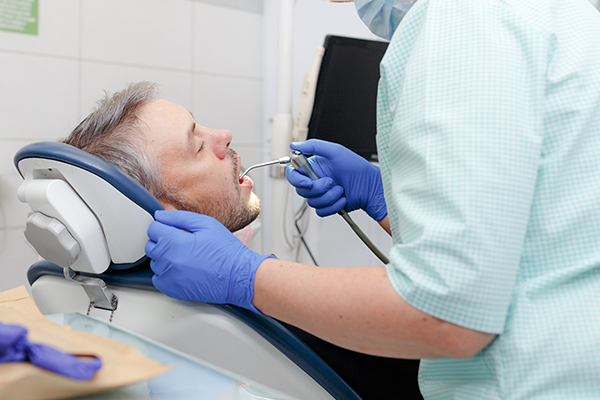
Severe tooth decay or damage is often treatable through root canal therapy. Despite its reputation, undergoing a root canal is similar to filling a cavity and is generally no more uncomfortable. Learning about the procedure and the recovery process can help alleviate concerns, helping patients see the benefits of preserving their smile with a root canal.
What is a root canal?
A general dentist recommends a root canal when the inner pulp of a tooth becomes inflamed or infected. Common causes of these conditions include deep decay, cracks, or injury. If left untreated, the inflammation can worsen, or the infection can spread to surrounding tissues. Both can result in further discomfort and potential complications. However, a root canal allows the dental provider to remove the source of the problem and protect the integrity of the tooth.
What to expect during a root canal
A root canal has several steps. The first few involve preparing the tooth and ensuring comfort throughout the procedure. A general dentist will likely recommend local anesthesia to numb the area and ensure the rest of the procedure is painless.
The next step is to drill into the tooth to access the problematic pulp tissue. The dental provider will then carefully remove the infected or inflamed pulp, eliminating bacteria and debris. Once the inside of the tooth is cleaned and shaped, they will fill and seal the area with a rubber-like material called gutta-percha. This seal protects the tooth from further damage and maintains its structural integrity. Lastly, a temporary filling or crown is placed to protect the tooth while a permanent restoration is prepared.
What to expect after root canal therapy
Root canals can be completed in a single appointment. Here is what to expect in the following days and weeks:
Recovery
Recovery from a root canal is typically quick, with most patients resuming normal activities within a day or two. Mild soreness or sensitivity is common but generally subsides within a few days. Over-the-counter pain relievers and any aftercare recommendations from the dentist help manage these temporary effects.
Maintaining good oral hygiene is also an essential part of the recovery process. Brushing, flossing, and rinsing with an appropriate mouthwash support healing and reduce the risk of complications. Make sure to avoid hard or sticky foods immediately after the procedure to protect the treated tooth and surrounding areas.
Follow-up care
A follow-up visit is often necessary to ensure that the tooth is healing properly and that the final restoration fits perfectly. The general dentist will examine the tooth and place the permanent crown or filling, which restores the tooth's function and appearance. This step completes the process, as well as allows the tooth to blend seamlessly with the rest of the smile.
Visiting the dentist every six months after a root canal promotes long-term oral health. These checkups provide an opportunity to monitor the treated tooth and address any potential issues before they become problematic. With proper care, a tooth restored through a root canal can last a lifetime.
Find out more about root canals
A root canal is a proactive step toward maintaining oral health and preventing complications. If you are experiencing any signs of severe tooth decay or infection, contact Mansey Family Dentistry of Washington, LLC for prompt treatment. We can evaluate the tooth to determine whether a root canal may be necessary.
Request an appointment here: https://www.manseyfamilydentistry.com or call Mansey Family Dentistry of Washington, LLC at (908) 320-8880 for an appointment in our Washington office.
Check out what others are saying about our dental services on Yelp: Root Canal in Washington, NJ.
Related Posts
When you have severe pain or unexpected dental trauma, getting emergency dentistry should be your first priority. If you experience sudden tooth pain, a general dentist is usually the go-to provider. Many people worry that their regular dental office cannot handle urgent issues. However, general dentists have the tools and training to treat serious oral…
Clear aligners are a great way to straighten misaligned teeth and achieve a better smile overall, but there are other orthodontic treatment options which are worth considering as well. One of the hardest decision for those who want teeth straightening treatment is determining which option is best, and having more information about clear aligners can…
When it comes to choosing fillings, most people are curious to understand the difference between white fillings and amalgam fillings. Dentists use both of these filling materials to repair teeth with cavities. However, there are important advantages and disadvantages to consider before choosing one material over the other.White fillings are plaster-like materials made in the…
Starting a clear aligner treatment with an experienced invisalign dentist means you can achieve a straighter, more confident smile without the discomfort of metal braces. This modern approach to orthodontics prioritizes both precision and transparency to deliver results that look natural and feel great. Here is what you can expect from clear aligner therapy with…