Dental Crowns vs. Bridges: Important Differences to Keep in Mind
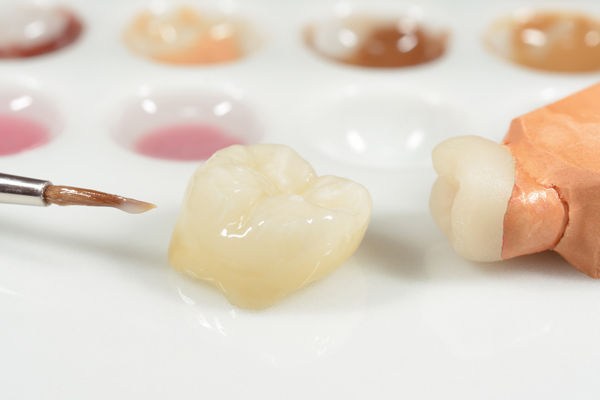
A dental crown and a bridge both restore smiles, but they solve different problems and follow different procedures. Many patients ask which option is best when a tooth breaks, cracks, or goes missing. Typically, a general, cosmetic, or family dentist would repair a tooth with a crown but replace a missing tooth with a bridge. Using the right restoration, a dentist can protect function, improve appearance, and support your smile for the long term.
What a dental crown does
A dental crown covers and strengthens a single tooth. General, cosmetic, and family dentists use crowns to rebuild teeth affected by severe decay, fractures, or heavy wear. This is because a well-designed crown allows comfortable chewing and smooth flossing while shielding the tooth from future cracks. They can also rebuild teeth after root canal treatment.
In each case, the dentist fits the crown over the affected tooth like a protective cap and restores natural shape, color, and bite. While silver amalgam remains a viable option, modern tooth-colored materials like zirconia and porcelain fused to metal (PFM) are increasingly popular. These natural-looking crowns combine impressive strength with lifelike aesthetics.
What is a dental bridge?
A dental bridge replaces one or more missing teeth by connecting wings or dental crowns on the neighboring teeth to a suspended replacement tooth, called a pontic. The bridge fills the space, restores chewing surfaces, and prevents nearby teeth from drifting. Their purpose is to replace teeth, not restore them, although they are often combined with crowns. What is more, bridges work well when the adjacent teeth already need crowns for strength. With careful design and placement, a bridge blends into the smile and feels stable during daily use.
Where implants fit in
Dental implants add another option when a tooth is missing. One of these metal posts supports a single crown without involving neighboring teeth. If several teeth are missing in a row, a general, cosmetic, or family dentist may recommend an implant-supported bridge. This framework anchors the false tooth (pontic) to nearby implants rather than to natural teeth.
Dental crowns vs. bridges: When each option makes sense
Choose a dental crown when the tooth remains present but needs reinforcement. Examples include a molar with a large broken filling, a front tooth with a crack, or a premolar that feels weak after a root canal. A crown saves natural structure, supports normal biting forces, and often prevents larger problems later. They also refine color and shape on a single tooth so that it no longer stands out.
However, patients should choose a bridge when one or more teeth are missing. Whether anchored to natural teeth or implants, a bridge can close these gaps quickly and create a seamless look along the dental arch. A general, cosmetic, or family dentist can help patients explore which option is best for them during a consultation appointment.
Restoring your smile with confidence
Knowing the basics of crowns versus bridges makes the choice between them straightforward. If a tooth is missing and the neighboring teeth can carry the load, a bridge can restore both function and appearance. On the other hand, if the patient is simply trying to preserve their natural teeth, a dental crown is likely the answer. Learn more in an appointment with our Washington dental team.
Request an appointment here: https://www.manseyfamilydentistry.com or call Mansey Family Dentistry of Washington, LLC at (908) 320-8880 for an appointment in our Washington office.
Check out what others are saying about our dental services on Yelp: Dental Crowns and Dental Bridges in Washington, NJ.
Related Posts
When you have severe pain or unexpected dental trauma, getting emergency dentistry should be your first priority. If you experience sudden tooth pain, a general dentist is usually the go-to provider. Many people worry that their regular dental office cannot handle urgent issues. However, general dentists have the tools and training to treat serious oral…
Clear aligners are a great way to straighten misaligned teeth and achieve a better smile overall, but there are other orthodontic treatment options which are worth considering as well. One of the hardest decision for those who want teeth straightening treatment is determining which option is best, and having more information about clear aligners can…
When it comes to choosing fillings, most people are curious to understand the difference between white fillings and amalgam fillings. Dentists use both of these filling materials to repair teeth with cavities. However, there are important advantages and disadvantages to consider before choosing one material over the other.White fillings are plaster-like materials made in the…
Starting a clear aligner treatment with an experienced invisalign dentist means you can achieve a straighter, more confident smile without the discomfort of metal braces. This modern approach to orthodontics prioritizes both precision and transparency to deliver results that look natural and feel great. Here is what you can expect from clear aligner therapy with…