The Dangers of Untreated Sleep Apnea
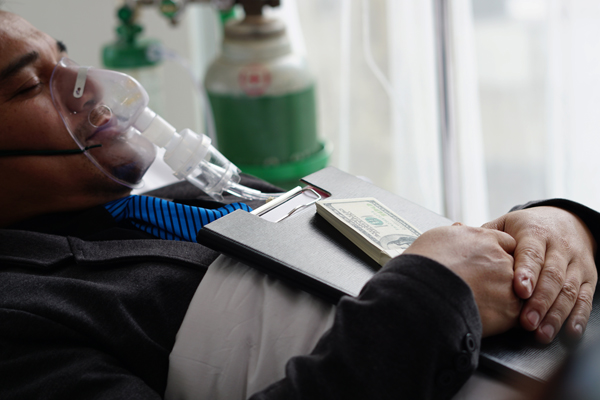
Sleep apnea is a chronic disorder in which an individual briefly stops breathing while asleep. These breathing interruptions can cause the person to wake up, gasp for air or snore. Left untreated, this condition can lead to sleep deprivation and negatively affect overall health.
Sleep apnea defined
Many people suffer from this sleep issue without knowing it. It is important to note that the disorder can fall under two different categories. If the brain does not send signals to the muscles controlling the breathing process, the patient experiences central sleep apnea. However, when the upper airway becomes completely or partially blocked during sleep, the person is diagnosed with obstructive sleep apnea. The National Sleep Foundation reports that over 18 million adults in American exhibit obstructive sleep apnea.
Symptoms
Frequent and loud snoring is the most common sign of this disorder. However, it is important to learn and recognize the other frequent symptoms of the condition:
- Waking up with headaches
- Difficulty staying asleep
- Gasping for air during sleep
- Excessive daytime sleepiness
- Waking up with a dry mouth or sore throat
- Grinding teeth
- Trouble paying attention
- Irritability
- Memory loss
- Walking, talking or eating during sleep
Risk factors
Sleep apnea can affect anyone, but it is more common in males than in females. Being overweight is one of the most important risk factors. Other signs that increase the likelihood of this problem include exhibiting a large neck size, being over age 40 or having a family history of the disorder.
Treatment options
Treatment for sleep apnea varies depending on its severity and the underlying cause. A dentist may recommend a nighttime oral appliance to help keep the airway unobstructed. Severe cases are often treated using a continuous positive airway pressure machine, also known as a CPAP device, during sleeping hours.
Dangers associated with sleep apnea
A patient with sleep apnea may have breathing pauses that last from a few seconds to one minute. They can occur hundreds of times per night. These instances deprive the brain of oxygen and can harm many different systems of the body.
Respiratory system
People with untreated sleep apnea can often notice shortness of breath and may find it more difficult to exercise. The condition can worsen symptoms of breathing disorders such as asthma or chronic obstructive pulmonary disease.
Cardiovascular system
Sleep apnea contributes to the risk of developing hypertension, also called high blood pressure. This increases the strain on the heart and can lead to a heart attack or stroke. Patients with the disorder are more likely to have abnormal heart rhythms and have a higher chance of developing heart disease.
Endocrine system
Sleep apnea causes individuals to experience decreased blood oxygen levels. This triggers the release of stress hormones such as cortisol, which increases blood sugar levels. Over time, this makes sufferers more likely to develop insulin resistance, glucose intolerance and diabetes.
Conclusion
Quality sleep is vital to the body's physical and emotional wellbeing. Sleep apnea puts the body at risk of several serious diseases, making it imperative that patients seek treatment as soon as the condition is suspected.
Request an appointment here: https://www.manseyfamilydentistry.com or call Mansey Family Dentistry of Washington, LLC at (908) 320-8880 for an appointment in our Washington office.
Check out what others are saying about our dental services on Yelp: Sleep Apnea in Washington, NJ.
Related Posts
When you have severe pain or unexpected dental trauma, getting emergency dentistry should be your first priority. If you experience sudden tooth pain, a general dentist is usually the go-to provider. Many people worry that their regular dental office cannot handle urgent issues. However, general dentists have the tools and training to treat serious oral…
Clear aligners are a great way to straighten misaligned teeth and achieve a better smile overall, but there are other orthodontic treatment options which are worth considering as well. One of the hardest decision for those who want teeth straightening treatment is determining which option is best, and having more information about clear aligners can…
When it comes to choosing fillings, most people are curious to understand the difference between white fillings and amalgam fillings. Dentists use both of these filling materials to repair teeth with cavities. However, there are important advantages and disadvantages to consider before choosing one material over the other.White fillings are plaster-like materials made in the…
Starting a clear aligner treatment with an experienced invisalign dentist means you can achieve a straighter, more confident smile without the discomfort of metal braces. This modern approach to orthodontics prioritizes both precision and transparency to deliver results that look natural and feel great. Here is what you can expect from clear aligner therapy with…