A Step-by-Step Guide to a Tooth Extraction Procedure
may seem like a scary or daunting procedure. However, it is relatively safe and common, with a few potential complications. This guide will walk you through all the major steps to help put your mind at ease and make you more comfortable about any upcoming procedures.
Step one: applying the anesthetic
First, the dentist will administer an anesthetic. They may use a local anesthetic to numb only the tooth and surrounding tissue, or they may use a general anesthetic, which will put the patient to sleep. Awake patients may still feel some pressure as the dentist loosens the tooth, which is completely normal.
Step two: extracting the tooth
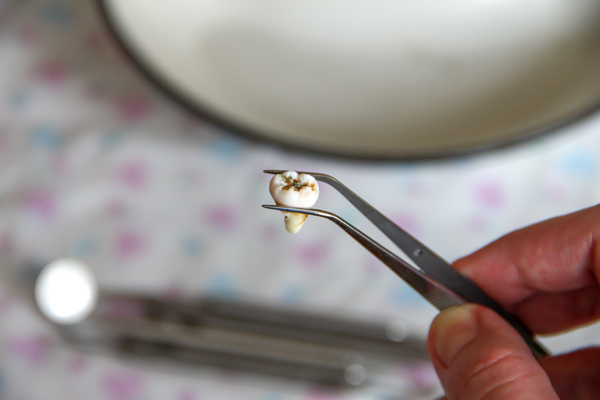
To ready the tooth for extraction, the dentist will use specialized tools called dental elevators. They will elevate the tooth, coaxing it from the jawbone to loosen it. Many different kinds of dental elevators are specialized for specific kinds of teeth. Once the tooth has been sufficiently loosened, the dentist will remove it with forceps. This is called a simple extraction.
If the tooth is impacted, meaning that it has not emerged from the gums, then a different option called a surgical extraction would be used. In this case, the dentist will need to cut into the gums to reach the tooth. The dentist may need to cut the tooth into pieces to remove it more easily. Patients should not feel any pain.
Step three: post-surgical care
After the tooth extraction, patients will bite down on the gauze for about 30 minutes. This will generate pressure which will help to form a blood clot. If necessary, a dentist will also stitch any incisions. If the stitches are self-dissolving, then patients will not need to return to get them removed later. If general anesthesia was applied, the patient must wait in the dentist’s care until it is safe to leave, and they may not drive. Before leaving, the dentist will give any necessary instructions to the patient.
Step four: post-surgical recovery
There may be some discomfort in the days following the surgery. It is important to rest and allow your body time to heal. If needed, over-the-counter medications such as Ibuprofen or other NSAIDs should be taken as needed to help manage the pain.
Several important guidelines recovering patients should follow. They should only eat soft foods and liquids for the first 24 hours, they should not brush their teeth for 24 hours, and they should not use a straw or chew on the same side of their mouth as the extraction site for several days. If these guidelines are not followed, it is possible to dislodge the blood clot, exposing the bone and tissue below. This leads to a painful condition called dry socket. Patients experiencing dry sockets should let their dentists know as soon as possible to get it resolved.
Patients should be starting to feel better after a few days, but it might take up to a couple of weeks for the wound to close entirely, and it might also take up to three months for the tissue around the tooth extraction site to completely heal.
Request an appointment here: https://www.manseyfamilydentistry.com or call Mansey Family Dentistry of Washington, LLC at (908) 689-0825 for an appointment in our Washington office.
Check out what others are saying about our dental services on Yelp: .
Related Posts
When you have severe pain or unexpected dental trauma, getting emergency dentistry should be your first priority. If you experience sudden tooth pain, a general dentist is usually the go-to provider. Many people worry that their regular dental office cannot handle urgent issues. However, general dentists have the tools and training to treat serious oral…
Clear aligners are a great way to straighten misaligned teeth and achieve a better smile overall, but there are other orthodontic treatment options which are worth considering as well. One of the hardest decision for those who want teeth straightening treatment is determining which option is best, and having more information about clear aligners can…
When it comes to choosing fillings, most people are curious to understand the difference between white fillings and amalgam fillings. Dentists use both of these filling materials to repair teeth with cavities. However, there are important advantages and disadvantages to consider before choosing one material over the other.White fillings are plaster-like materials made in the…
Starting a clear aligner treatment with an experienced invisalign dentist means you can achieve a straighter, more confident smile without the discomfort of metal braces. This modern approach to orthodontics prioritizes both precision and transparency to deliver results that look natural and feel great. Here is what you can expect from clear aligner therapy with…